 By
By
Understanding HVAC Filters: Choosing the Right One for Your Heat Pump or AC
Selecting the right filter is crucial for maintaining the efficiency and longevity of your heat pump or air conditioning system. Filters ensure the air in your home is clean and protect your HVAC system from dust and debris. With various types available, it can be challenging to determine which filter is best suited for your specific equipment. In this blog, we'll explore the different types of HVAC filters and provide guidance on choosing the right one.
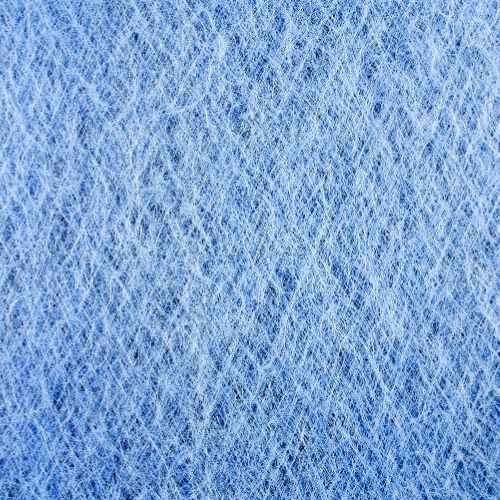
- Fiberglass Filters
Description:
- Made of layered fiberglass fibers.
- Typically 1-inch thick.
- Least expensive option.
Pros:
- Affordable.
- Essential protection for HVAC systems.
Cons:
- Low filtration efficiency.
- Needs frequent replacement (usually every 30 days).
Best For Homes without pets or allergies and where budget is a primary concern.
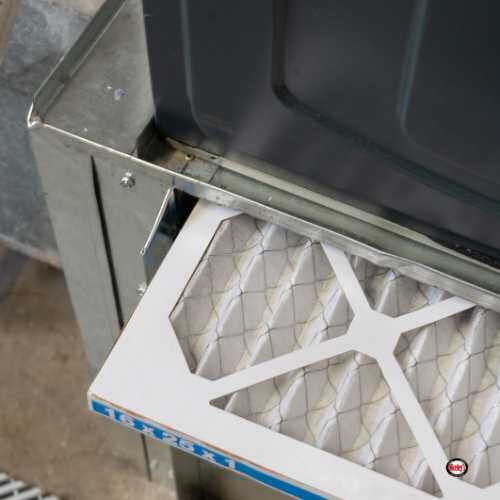
- Pleated Filters
Description:
- Made from polyester or cotton paper.
- The pleated design increases surface area for better filtration.
Pros:
- More efficient than fiberglass filters.
- Available in various MERV ratings (1-13).
Cons:
- Slightly more expensive than fiberglass.
- It can only allow airflow if changed regularly.
Best For: Homes with pets, mild allergies, or moderate dust levels.
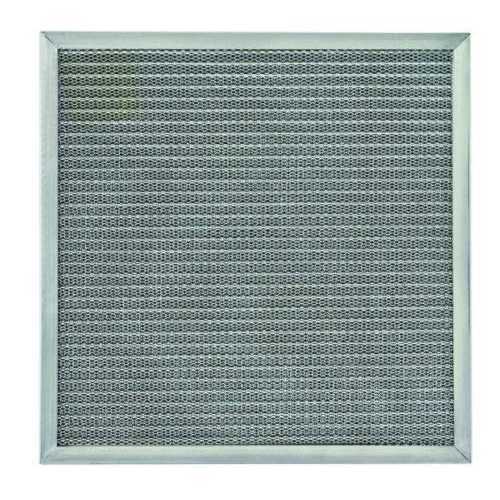
- Electrostatic Filters
Description:
- Made from self-charging electrostatic cotton or paper fibers.
- It can be washable or disposable.
Pros:
- High filtration efficiency.
- Good at trapping small particles like pollen and smoke.
Cons:
- Higher upfront cost.
- Washable versions need regular maintenance.
Best For Homes with smokers, pets, or residents with allergies and asthma.
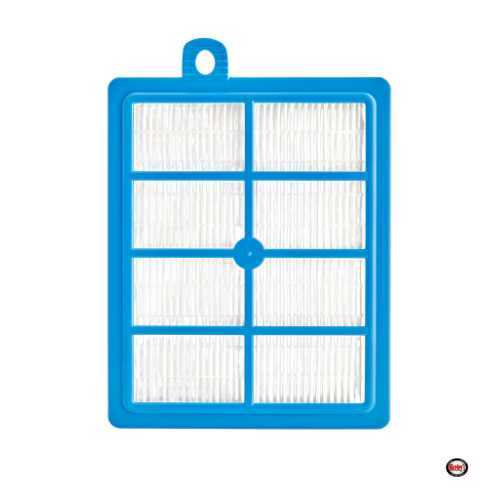
- HEPA Filters
Description:
- High-efficiency particulate Air (HEPA) filters.
- Removes 99.97% of particles 0.3 microns or larger.
Pros:
- Superior air filtration.
- Excellent for individuals with severe allergies or respiratory issues.
Cons:
- Can restrict airflow in standard HVAC systems.
- Typically used in standalone air purifiers or specialized HVAC systems.
Best For Homes requiring the highest level of air purity.
- UV Filters
Description:
- Utilizes ultraviolet light to kill bacteria and viruses.
- Often combined with another type of filter.
Pros:
- Improves indoor air quality by killing microorganisms.
- Reduces mold and mildew growth.
Cons:
- Does not capture particles.
- Higher cost due to UV technology.
Best For Homes concerned with biological contaminants.
How to Choose the Right Filter for Your HVAC System
Selecting the right filter depends on various factors, including the specific needs of your home, the type of HVAC system you have, and your budget. Here's a step-by-step guide to help you make the right choice:
- Check Your HVAC System's Specifications:
- Review the owner's manual or contact your HVAC technician to understand the filter specifications your system requires.
- Determine Your Air Quality Needs:
- Consider any allergies, asthma, pets, or other factors that impact air quality needs. Higher MERV ratings (8-13) are suitable for better air filtration.
- Consider Maintenance and Costs:
- Balance the cost of filters with how often they need to be replaced. While pleated or electrostatic filters may be more expensive upfront, they could save money over time with less frequent replacements.
- Assess Airflow and System Efficiency:
- Ensure the filter you choose is balanced with airflow, as this can reduce system efficiency and increase energy costs.
- Consult with Professionals:
- If in doubt, consult an HVAC professional to recommend the best filter for your needs and system.
Choosing the right filter for your heat pump or air conditioning system is vital for maintaining indoor air quality and system efficiency. By understanding the different types of filters and considering your specific needs, you can make an informed decision that keeps your home comfortable and your HVAC system running smoothly. Regular maintenance and timely filter replacement will ensure your HVAC system performs optimally for years.
Contact us for more personalized advice on HVAC filters and maintenance tips to keep your system in top condition. Your comfort and air quality are our priorities!

5 Signs Your Furnace Filter Should Be Replaced
The furnace filter keeps dust and debris out of the home’s heating system. Over time, it clogs and affects the appliance’s performance. To reduce the need for furnace repairs and keep the system running at peak efficiency, watch for these signs that it’s time to replace the filter.
How to Tell if Your Furnace Filter Needs Replacing
1. Visible Buildup
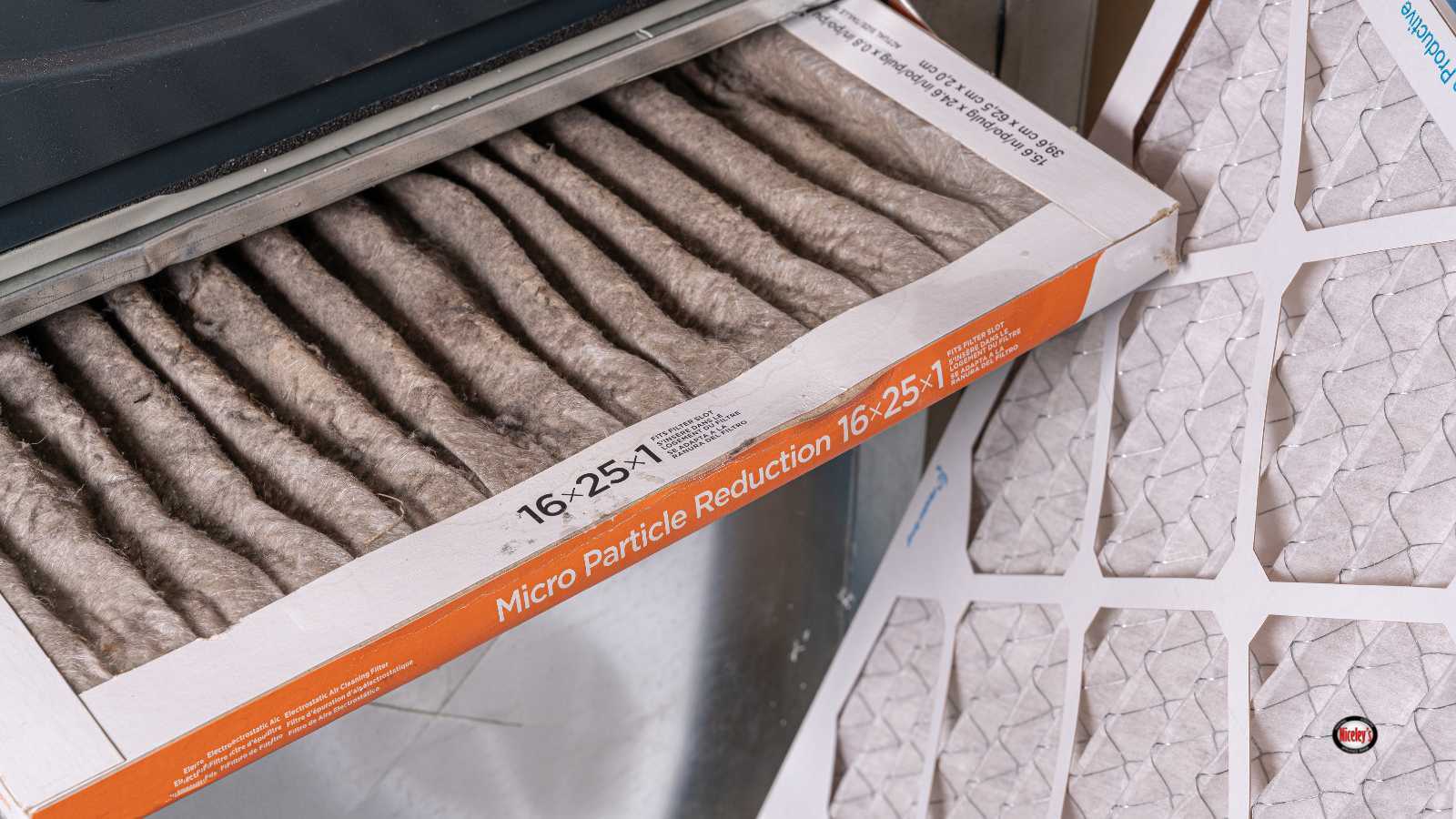
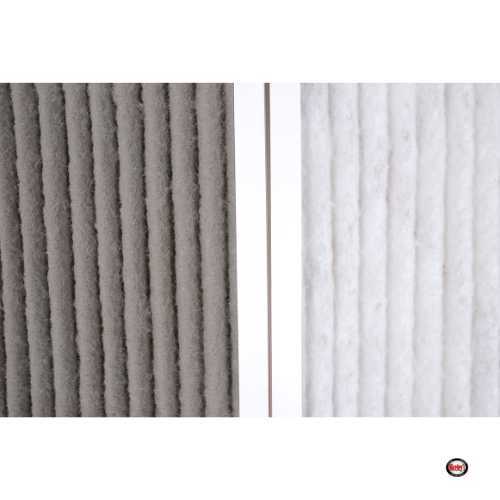
Most furnace filters will need replacing after every 90 days. However, the frequency varies depending on factors such as how often you run your furnace and whether you have pets. For this reason, check the filter for visible buildup of dust, dirt, and other particles. Replace it immediately if it appears clogged.
2. Longer Cycling
When a furnace operates below peak efficiency, it must work harder to generate and circulate warm air. This means the unit will run more than before. Replacing the filter could be a simple way to help it run more efficiently again. If the problem persists, however, other mechanical issues may require professional furnace repair.
3. Increased Dust
The filter keeps particles out of the furnace, but they can still pass through once it’s clogged. As a result, the interior environment can become dustier than usual since the appliance circulates air through the home. More contaminants can aggravate people with asthma and allergies, so change your filter quickly if this happens.
4. Higher Heating Bills
Any time a furnace operates inefficiently, it requires more fuel. While slight increases in utility bills are normal due to more frequent use in cooler weather, watch for sudden spikes. This could indicate a clogged filter or another issue that could require furnace repairs.
5. Burning Smell
A furnace can produce a burning odor if it’s overheating. This problem can occur when the system struggles to move air through a clogged filter. This concerning smell always demands immediate attention to prevent serious damage. If the filter isn’t the root cause, the issue could be the blower motor instead, which requires professional emergency service.
5 Signs That It's Time to Change Your Air Filter
As a homeowner, prioritize appliance maintenance to keep your home running smoothly and efficiently. One often-overlooked part of appliance maintenance is the air filter. Neglecting to change your air filter can lead to several issues, including decreased air quality, higher energy bills, and even damage to your HVAC system. Here are five signs that it's time to change your air filter:
1. Poor Air Quality
One of the most noticeable signs that your air filter needs to be changed is poor air quality. If you notice more dust, pet hair, or other debris around your home, your air filter may be clogged and needs to be replaced.
2. Higher Energy Bills
A clogged air filter can also reduce your HVAC system's efficiency, making it work harder and use more energy. If you notice a sudden increase in your energy bills, it may be time to check your air filter.
3. Unpleasant Smells
A dirty air filter can also cause unpleasant odors to circulate throughout your home. If you notice a musty or stale smell, it could be a sign that your air filter needs to be changed.
4. Reduced Airflow
A clogged air filter can also reduce the airflow from your HVAC system, making it harder to cool or heat your home effectively. If you notice reduced airflow, check your air filter.
5. Strange Noises
Finally, a clogged air filter can make your HVAC system produce strange noises as it struggles to function. If you hear banging, rattling, or other unusual sounds, check your air filter to see if it needs to be replaced.