 By
By
-
Here's a comprehensive blog post about washer drainage issues with clear header structure:
Nothing disrupts laundry day quite like opening your washing machine to find standing water and soaking wet clothes. A washer that won't drain properly is one of the most common appliance problems homeowners face, but the good news is that many drainage issues can be diagnosed and resolved without extensive repairs.
-
Clogged drain hoses, blocked pump filters, and faulty drain pumps are the most common causes of washer drainage problems.
-
Signs include standing water in the drum, excessively wet clothes, error codes, and unusual sounds during the drain cycle.
-
DIY fixes involve checking the drain hose for kinks, cleaning the pump filter, and verifying proper standpipe height.
-
Professional repair is needed for pump replacement, electrical issues, warranty coverage, and persistent problems after troubleshooting.
-
Regular maintenance, like monthly cleaning cycles, emptying pockets, and using the proper detergent amount, prevents future drainage issues.
-
Repair costs are typically more economical than replacement for washers under seven years old.
Common Causes of Standing Water in Your Washing Machine
Several factors can prevent your washer from draining completely. Understanding these causes helps you identify the problem quickly and determine whether it's a DIY fix or requires professional attention.
A clogged drain hose is often the primary culprit. Over time, lint, small clothing items, and detergent residue can accumulate inside the hose, restricting water flow. The hose can also become kinked or twisted during normal use, creating a blockage that prevents proper drainage.
The drain pump motor plays a crucial role in removing water from the tub. When this component fails or becomes obstructed by foreign objects like coins, buttons, or small socks, water remains trapped in the drum. You might hear unusual humming or grinding sounds indicating pump trouble.
A blocked pump filter is another frequent issue. This small screen catches debris before it reaches the pump, but when it becomes clogged with lint and fabric fibers, water can't pass through efficiently. Most washers have an accessible filter that requires regular cleaning to maintain optimal performance.
Signs Your Washer Has a Drainage Problem
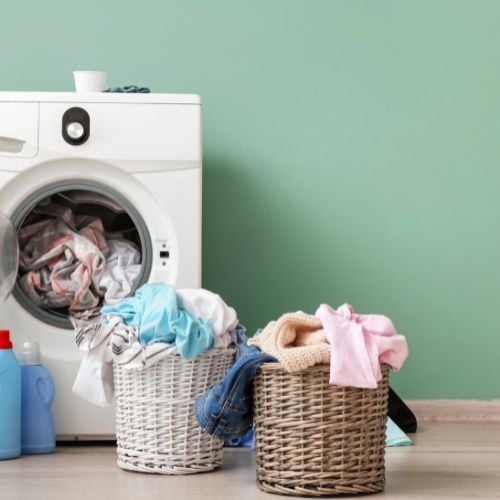
Recognizing drainage issues early can prevent more serious damage to your washing machine. Water remaining in the drum after the spin cycle completes is the most obvious indicator, but other symptoms deserve attention as well.
Excessively wet clothes at the end of a wash cycle suggest incomplete water removal. While some dampness is normal, clothes should not be dripping wet or heavy with water. Modern washers may display error codes on the control panel, often indicating specific drainage or pump malfunctions that require attention.
Listen for unusual sounds during the drain cycle. Gurgling, grinding, or excessive humming can signal pump problems or obstructions in the drainage system. Slow draining, where water gradually empties but takes significantly longer than normal, also indicates a partial blockage somewhere in the system.
DIY Troubleshooting Steps for Drainage Issues
Before calling for professional help, several straightforward checks can identify and potentially resolve common drainage problems. Always unplug the washer and turn off the water supply before beginning any inspection.
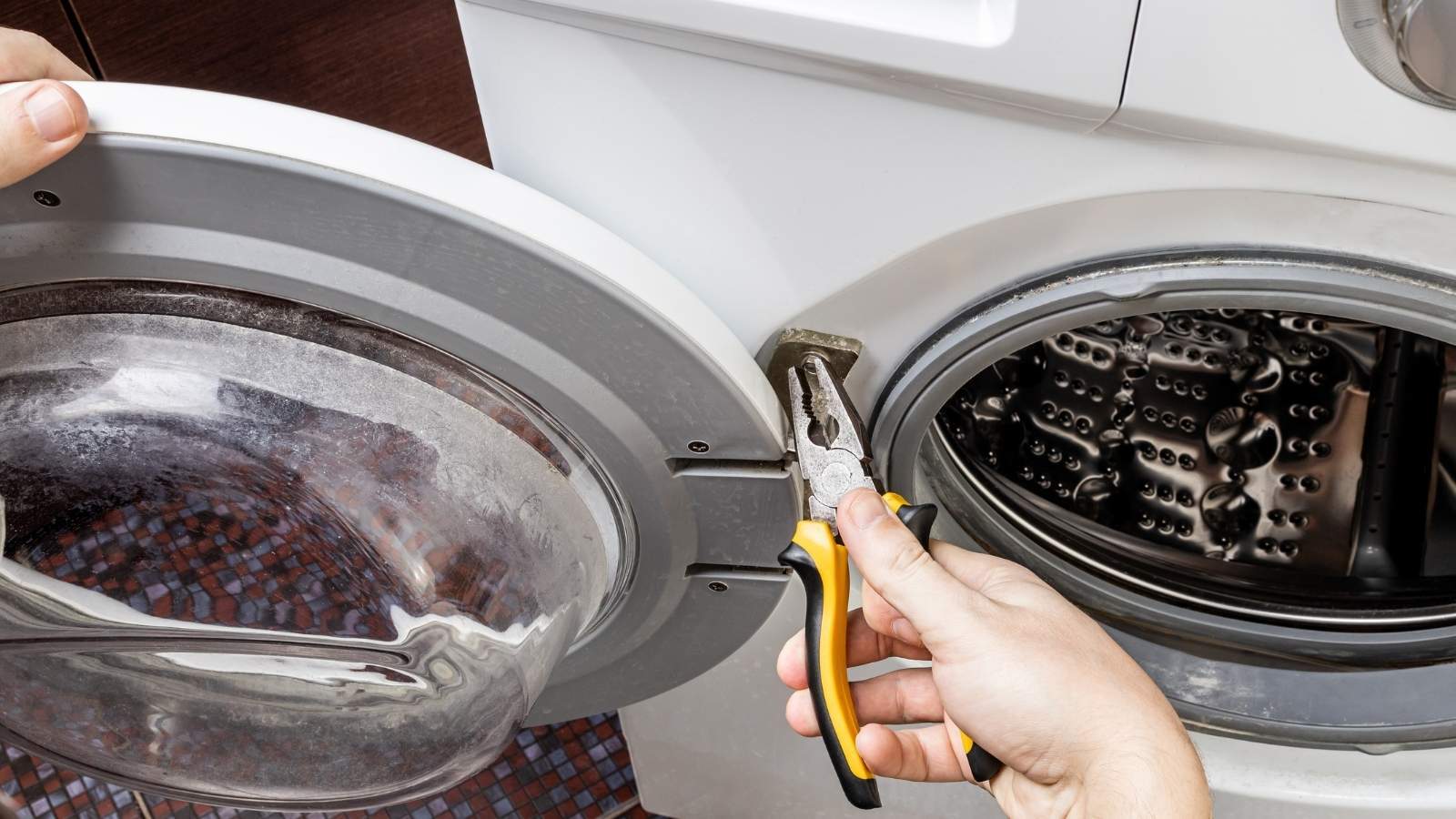
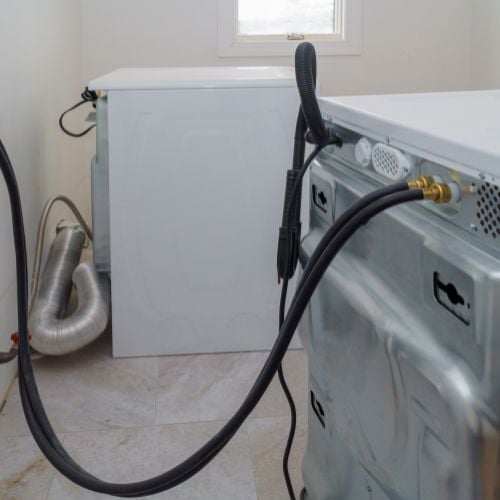
Start by examining the drain hose. Disconnect it from the standpipe or sink connection and check for kinks, twists, or visible blockages. Run water through the hose to ensure it flows freely. If you find obstructions, use a plumbing snake or a straightened wire hanger to carefully clear them.
Locate and clean the pump filter, typically found behind a small access panel at the front bottom of the machine. Place towels underneath before opening, as water will spill out. Remove any debris, rinse the filter thoroughly, and reinstall it securely.
Test the drain pump by running a short spin cycle and listening for proper operation. The pump should engage with a steady hum. If you hear clicking, grinding, or no sound at all, the pump may need to be replaced.
Also, verify that your home's standpipe meets the manufacturer's recommended height specifications—typically between 30 and 96 inches—as improper height can cause siphoning or drainage problems.
When to Call Professional Appliance Repair Services
Some drainage issues require expert diagnosis and repair. If basic troubleshooting doesn't resolve the problem, or if you're uncomfortable working with appliance components, professional service ensures safe and effective repairs.
Persistent drainage problems after cleaning filters and hoses often indicate deeper mechanical or electrical issues. Pump replacement requires technical knowledge and proper tools to safely access internal components.
Electrical problems with the control board, wiring, or sensors demand specialized expertise to diagnose and repair correctly.
For newer appliances still under warranty coverage, professional service protects your investment and ensures repairs meet manufacturer standards. Complex disassembly needed to access internal components also warrants professional attention to avoid accidental damage.
At Niceley's Appliance Repair, our experienced technicians have served the Erlanger, Kentucky community for over 30 years. We diagnose and repair all major washer brands with transparent pricing, same-day service when possible, and quality workmanship backed by our family-run commitment to customer satisfaction.
Preventive Maintenance Tips to Avoid Future Clogs
Regular maintenance significantly reduces the likelihood of drainage problems and extends your washer's lifespan. Simple habits protect your appliance and save money on repairs.
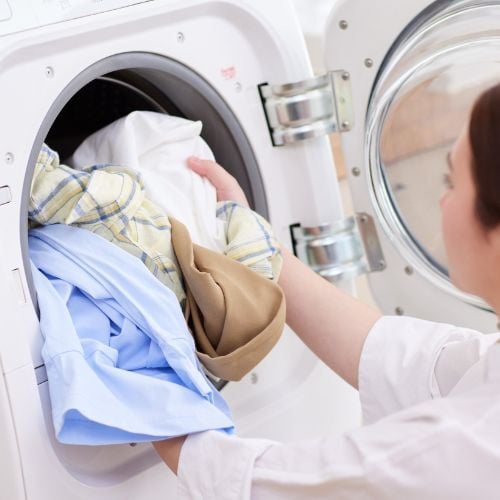
Run monthly cleaning cycles using washer cleaner or a mixture of white vinegar and baking soda to remove detergent buildup and residue from internal components. Always check and empty pockets before loading laundry—coins, tissues, and small items are common causes of pump damage and filter clogs.
Use the appropriate amount of high-efficiency detergent for your machine type. Excess suds can accumulate in hoses and filters over time, forming a residue. Clean the pump filter every three to six months, depending on usage frequency and household size.
Schedule annual professional maintenance inspections to catch potential issues before they become major problems. Technicians can identify worn components, check electrical connections, and ensure all systems operate efficiently.
Cost Considerations for Washer Repair vs Replacement
When facing drainage issues, weighing repair costs against replacement value helps you make informed decisions about your appliance investment.
Most drainage repairs, including pump replacement, hose clearing, and filter cleaning, cost significantly less than purchasing a new washer. Professional diagnosis typically ranges from minimal service call fees to moderate repair expenses, depending on the specific problem and required parts.
Consider your washer's age and overall condition. Machines under seven years old generally warrant repair, especially if they've received regular maintenance. However, if your washer requires frequent repairs or faces multiple simultaneous issues, replacement might be more economical long-term.
Need replacement parts for your DIY repair? Visit Niceley's parts counter at 11 Price Avenue in Erlanger, Kentucky.
We maintain the best inventory in the Northern Kentucky and Greater Cincinnati area, stocking parts for all major appliance brands.
Our parts counter is open Monday through Friday from 8:00 AM to 5:30 PM and Saturday from 8:00 AM to 2:00 PM.
Energy efficiency improvements in modern washers can also factor into your decision. Newer models use less water and electricity, potentially offsetting replacement costs through lower utility bills over time.
Clogged drain hoses, blocked pump filters, and faulty drain pumps are the most common causes of washer drainage problemsSigns include standing water in the drum, excessively wet clothes, error codes, and unusual sounds during the drain cycleDIY fixes involve checking the drain hose for kinks, cleaning the pump filter, and verifying proper standpipe height
-